

An effective IPTV Reseller Pricing Strategy UK depends on getting three things right at once: what your credits actually cost you, what your customers are realistically willing to pay, and how much margin you need to keep the business worth running month after month. Copying a competitor’s price list and hoping it works is not a strategy. It is a guess, and guesses tend to fall apart the first time your credit costs shift or a customer negotiates.
This guide walks through how UK-based IPTV resellers can build pricing that holds up, without pretending there is a single “correct” number that applies to every operation.
What Actually Shapes IPTV Reseller Pricing Strategy UK Right Now
Pricing rarely comes down to one factor. It is usually a combination of your credit cost per line, how many customers you already manage, whether you run sub-resellers, and what kind of support commitment you are prepared to offer. A reseller managing forty accounts alone has a very different cost base to one running a small network of sub-resellers, even if both are buying credits from the same source.
The subscription length you sell also matters more than most new resellers expect. A twelve-month line typically costs proportionally less per month than a one-month line, which means your margin structure needs to reflect that rather than applying a flat markup across every length.
Pro tip: Work out your true cost per month of service, not per credit, before setting any customer-facing price. A twelve-month credit that looks expensive upfront often produces a better monthly margin than several short renewals.
Credit-Based Pricing Versus Flat Subscription Pricing
Most UK IPTV Panel resellers price around the credit system directly, charging customers per subscription length and adjusting slightly for loyalty or bulk orders. Others prefer a simplified flat-rate menu, one price for one month, another for three, and so on, regardless of exactly how the underlying credit cost breaks down. Both approaches work, but they suit different operating styles.
| Pricing Model | Best Suited To | Trade-off |
|---|---|---|
| Credit-matched pricing | Resellers who track margins closely per subscription length | More admin, but harder to accidentally undercharge |
| Flat-rate menu | Resellers who want simple, quotable prices for customers | Easier to sell, but margin can drift if credit costs change |
| Tiered loyalty pricing | Resellers building repeat customers over long periods | Rewards retention, but needs consistent tracking to stay fair |
Neither model is inherently better. What matters is picking one and staying consistent, because customers notice inconsistency far faster than they notice a slightly higher price.
Setting Margins Without Undercutting Your Own Business
New resellers often set prices based on what feels competitive rather than what covers their actual costs and time. Support tickets take time. Refund handling takes time. Managing sub-reseller accounts takes time. None of that is free, even when it doesn’t show up on an invoice.
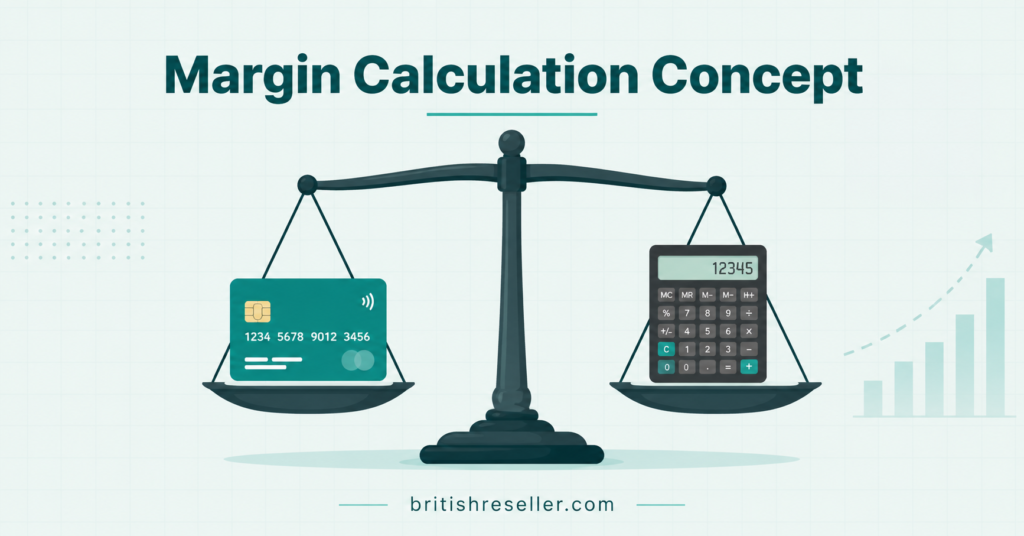
A reasonable starting point is to calculate your credit cost per subscription length, add the proportion of your monthly overhead that line represents, and then decide what margin makes the effort worthwhile. If that number comes out higher than what competitors advertise, that is useful information. It tells you either your costs are different, or the competitor is pricing unsustainably and may not be around in six months.
Pro tip: Review your pricing every few months rather than treating it as a one-time decision. Credit costs, customer volume and support demands all shift, and a price set a year ago may no longer reflect your actual margin.
Sub-Reseller Pricing Needs Its Own Logic
If you run sub-resellers, their pricing cannot simply mirror your customer-facing rates. Sub-resellers need enough margin of their own to make reselling worthwhile, which means your pricing to them has to sit below what you’d charge an end customer directly, while still protecting your own margin on the credits they draw from.
This is where a lot of reseller operations lose money without noticing. Handing out generous sub-reseller rates to grow a network quickly can look like progress, but if the numbers don’t leave enough room for you, growth just means managing more accounts for less return per account.
Where Discounting Actually Makes Sense
Bulk discounts and loyalty pricing can work well, but only when they’re tied to something measurable, like order volume or subscription length, rather than handed out reactively whenever a customer pushes back on price. Reactive discounting trains customers to expect it every time, which quietly erodes your baseline pricing over months without ever feeling like a single bad decision.
A clearer approach is to decide your discount thresholds in advance. If a customer buys three or more lines, or commits to a twelve-month term, that’s when a lower rate applies. Outside those conditions, the standard price stands.
Common Pricing Mistakes Worth Avoiding
A few patterns show up repeatedly among resellers who struggle with pricing:
Pricing purely off competitor rates without checking your own cost base first, which can leave margins thinner than expected once support time is factored in.
Offering the same price regardless of subscription length, which ignores the fact that longer terms usually carry better underlying credit economics.
Changing prices frequently without communicating why, which damages trust even when the change is reasonable.
Treating a full reseller dashboard as a fixed cost rather than checking whether its feature set justifies its price against your actual usage.
Frequently Asked Questions
Should I price the same across every subscription length?
Not usually. Longer subscriptions tend to have better underlying credit economics, so a flat price across all lengths often means you earn less proportionally on shorter terms.
How often should I review my reseller pricing?
Every few months is reasonable for most operations, or sooner if your credit costs change, your support workload increases, or you notice margin thinning without an obvious cause.
Is it a mistake to price below competitors?
Not automatically. What matters is whether your price still covers your costs and time. Pricing below competitors without checking your own numbers is the actual risk, not the lower price itself.
Do sub-resellers need separate pricing from end customers?
Yes. Sub-resellers need room to build their own margin, so their rate has to sit below your customer-facing price while still protecting yours on the credits involved.
Can loyalty discounts hurt my pricing long term?
They can, if they’re given reactively rather than tied to clear conditions like volume or subscription length. Unconditional discounting tends to lower customer expectations permanently.
Conclusion
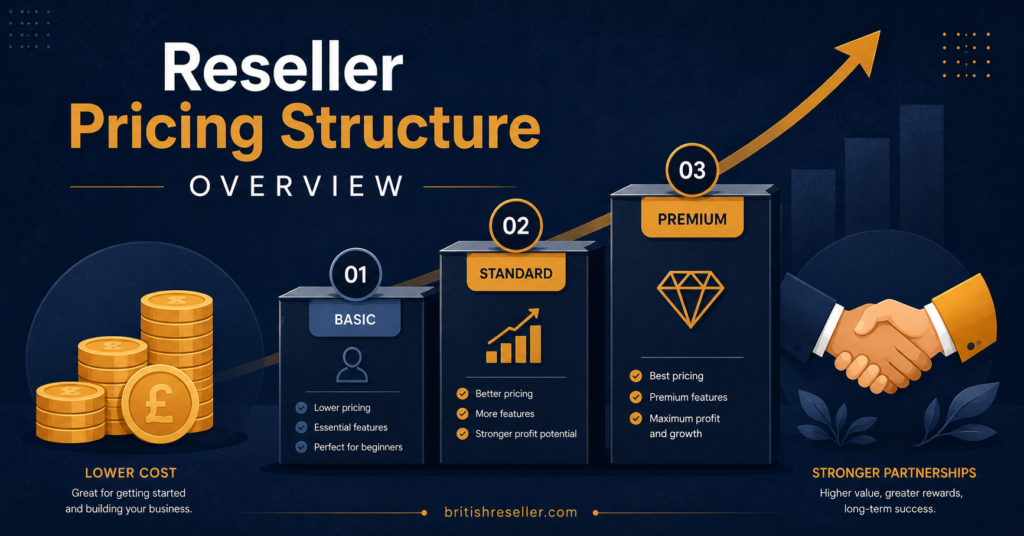
There is no universal formula for IPTV Reseller Panel Pricing Strategy UK that fits every operation, because the right price depends on your actual costs, your customer base and how much support time you’re realistically committing. What does hold true across most reselling businesses is that pricing built on your own numbers, reviewed periodically, and applied consistently will outlast pricing copied from whoever happens to be cheapest this month. Start by working out your true cost per subscription length, decide your margin deliberately, and check the reseller pricing page for a working example of tiered credit structuring before finalising your own rates.
Pricing Strategy Checklist
- Calculate true cost per subscription length, not just per credit
- Factor in support time and refund handling, not only credit cost
- Set separate, deliberate pricing for sub-reseller accounts
- Decide discount thresholds in advance rather than reacting to pushback
- Review pricing every few months against current credit costs
- Keep pricing consistent across similar customers to protect trust